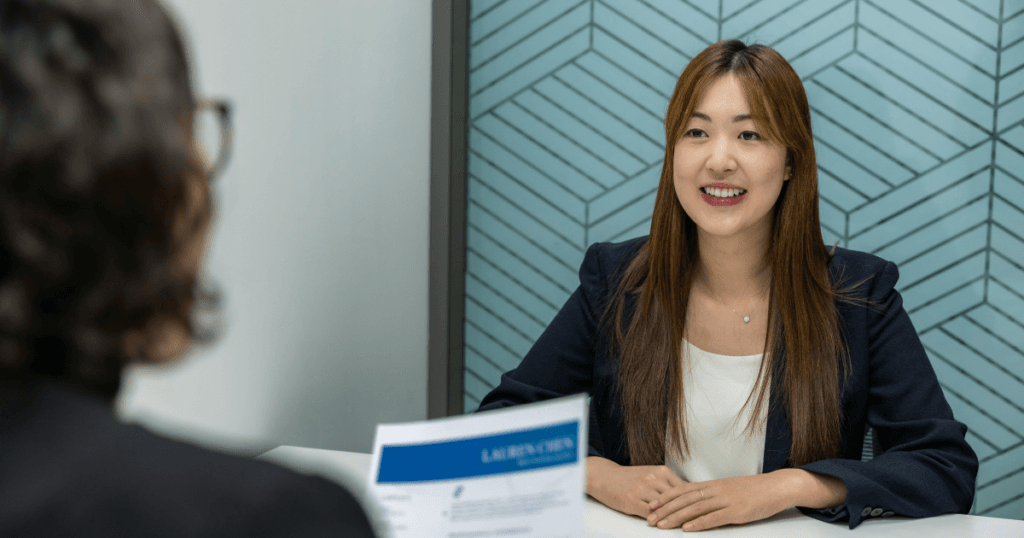
Passing your visa interview is crucial if you want to achieve your study-abroad dream. Preparation for your study abroad experience is quite thrilling. Nevertheless, the most significant procedure will be passing your interview at the embassy.
Most of the students are nervous, and being ready makes it all easier. We have listed the key items you need to prepare to be successful.
Visa Interview Checklist
These items will help you feel calm and confident, whether you are applying for a US student visa or travelling elsewhere. This is your final interview checklist.
A Valid International Passport
The most important travel document is your passport. Check the expiry date before you book your appointment. Most countries require that your passport be valid for at least 6 months during your visit. You should get a new passport in case the current one is about to expire. This is one of the essential student visa conditions you simply cannot ignore.
I-20 or CAS Document
If you plan to travel to the United States, you will need your Form I-20. In the UK, it is referred to as Confirmation of Acceptance for Studies (CAS). This document shows that a real school has admitted you. You need to be in possession of the original hard copy. The visa officer will also be interested in seeing this to ascertain your student status and school information.
Evidence of SEVIS Fee Payment
The SEVIS fee is an obligatory expense for international students. After paying this online, you are required to print the receipt. But life, you must not have a digital copy on your phone. Most embassies do not permit phones to enter, making a hardcopy student visa document checklist in your pocket the best method to keep you organised.
Financial Support Evidence
You should demonstrate that you will be able to cover your tuition and your ways of living. The visa officer must be aware that you will not run out of money. You should carry:
- Bank account statements of the past 6 months.
- Sponsorship letters in cases where other people are paying.
- Provisions provide the scholarship awards you have.
- Phone: Evidence of the income of your sponsor, such as payslips or business documents.
School Records and Diplomas
Although the interview will be a discussion, your school records still count. Carry your high school or college transcripts. Bring with you any diplomas or certificates for special courses. Making the officer believe you are a serious student helps the officer trust you.
Standardised Test Scores
Have you done the TOEFL, IELTS, SAT or GRE? If your school requires these tests to get in, bring the official score sheets. With them at hand, the university will know that you are up to the international student admissions criteria. It also serves to show that you know good English to study in a new country.
A Confirmation of Appointment by Print
You cannot even go to the embassy without any evidence that you are to do so. Once you reserve your slot online, print the confirmation page. Your name, time, and a barcode are included in it and will be scanned by the security guards. This is a basic yet crucial segment of your visa interview preparation regimen.
DS-160 Confirmation Page
To applicants applying to the US, the DS-160 is the online application form that you completed. There is no need to print the entire form; however, you need to print the confirmation page, including the barcode. Ensure that the barcode is not folded; it should be clear, and the embassy staff has to scan it to be able to retrieve your records.
Passport-Sized Photographs
You are never sure when you may need to take out two physical passport-sized photos, despite any pictures you may have posted online. Photo specifications vary across nations. To make a case in point, a US student visa photograph must be 2×2 and have a white background. Make sure your ears are visible and that there are no glasses or hats on.
Evidence of Connection with Your Country of Origin
The fear that a student would not return home is one of the main reasons their visa would be denied.
You must demonstrate that you have some reason to return to it once you have studied. This could be family relations, such as parents or siblings, who are residing in your home country. Essential evidence that can prove your home ties to take along for your visa interview may be:
- Families, marriage or business certificates.
- A communication of a future employer.
- Proof of employment and stable salary.
- Proof of community involvement (whether church or community).
- Travel history.
Read Also: Best Travel Insurance for International Students
Preparing for the Visa Interview Day
Preparation is not merely an affair of papers but an affair also of conduct. Being aware of the common questions in visa interviews will help you answer them appropriately. The officer could ask why you chose that school or what your plans are after school. Avoid lying and make your answers concise.
It would also be helpful to consult a professional consultancy for studying abroad if you are overwhelmed. They can help you organise your folder and rehearse your speech. Don’t forget to be clean and at the embassy at least 30 minutes early.
Final Thoughts
The key to a stress-free visa interview experience is to plan and prepare early. Acquisition of your papers should not be done until the eve of the interview day. When you have all of this list, you are at an advantage compared with many other applicants. With these student visa tips, you will be able to go into that room and walk with a smile and get your approval. Have a good day in school!