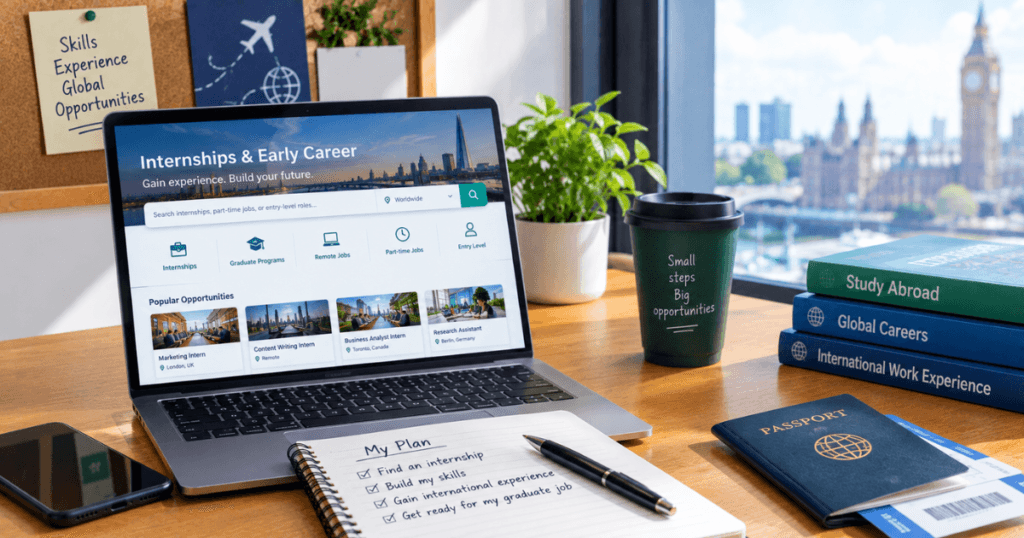

Can you apply for a job abroad before you arrive in your study destination as an international student? The straightforward answer is yes. However, every country and employer has its own unique rules.
One of the things many international students anticipate when they decide to study in another country is securing employment. You may want to make extra money, pay your bills, gain more work experience, or lessen the pressure of paying your bills.
You might have to be on-site at your study location before you can apply for jobs, attend interviews or receive employment offers.
The great thing about it is that you never have to wait until you’ve arrived in the country to apply for a job as an international student. Many companies and employers will accept applications from those outside the country, as long as they have a definite date when they will be available to work.
Once you’ve received an offer of employment, you may request time to resume your duties by giving your employer the date you are coming into the country. You also need to consider your student visa conditions, the employment law in the country, and the employer’s requirements.
According to UNESCO’s Higher Education Global Trends Report, over 7 million students study outside their country of birth. This creates a large international student population, but jobs and work rights are still handled on a case-by-case basis in each country.
Why and When Is It Important to Apply for Jobs Before Travelling?
Applying for a job before you arrive in the country can save you time and stress. Don’t wait until you get to college to look into work. You can start making real plans as you prepare for your studies.
There are several benefits to doing this.
- Early preparation: You can learn more about the job market and find employers that are a good fit.
- Financial planning: Knowing which careers are open to you will help you make financial plans.
- A less stressful start: You avoid the headaches of finding work after arriving. Instead, you can just settle into your new environment.
- Online interviews: You may be offered an interview with some employers before you arrive in the country.
While early application doesn’t guarantee a job, it can help you get to know the opportunities out there.
What Types of Jobs Can You Get Before You Arrive?
Not all occupations will require you to be at their site for the hiring process. Employers are now increasingly taking applications online and interviewing people via video calls.
For international students, there are various opportunities you can apply for a job abroad before you arrive in the country. This will,, however, depend on your qualifications, experience, and availability.
Part-Time Jobs
International students prefer part-time employment, as it enables them to schedule it around their studies.
There are online searches available for the following opportunities:
- Retail assistants
- Restaurant workers
- Customer service representatives
- Warehouse assistants
- Hotel staff
- Administrative assistants
Be aware, however, that you can only work for a certain number of hours on your student visa.
Remote Jobs
There are also part-time remote employment opportunities you can apply for, which allow you to do your work remotely.
This can include writing, graphic design, online tutoring, digital marketing, customer support, and more.
Some employers welcome foreign workers, though, and if you are checking somewhere else, you will need to check whether they accept foreign workers and whether your employment agreement is allowed under the law.
On-Campus Employment
There are a number of universities that publicise jobs for student helpers, library helpers, research helpers, and other on-campus roles.
Please check with your university’s career office to see whether applications are accepted before international students arrive.
The Factors Employers Look for in International Students When Recruiting
Work permission and availability may be issued for employers and can pose a problem when applying for employment outside one’s own country.
They are interested in your employment and legal status and want to determine when they will see you and whether you can meet the job requirements.
Some factors which an employer should take into account are the following:
- Your arrival date: Employers would prefer a definite time when you can start work.
- Your visa status: They may check whether you have a student visa and whether its conditions permit you to work.
- Previous experience: Skills and qualifications from previous work experience can boost your possibilities.
- Your willingness to work nights, weekends or during approved vacation times: Do you want to work nights, weekends or during approved vacation times?
Honestly share your situation. Avoid giving an employer a false sense of security about whether or not you already have authorisation to work if you have not established this fact.
Read Also: Do Online Freelance Gigs Count Towards Your Student Visa Work Limit?
Important Visa Rules You Must Understand Before Applying
An important point to grasp is this: You may have the job, but you may not have the right to work.
Some countries allow international students to apply for work before arriving, but limit when they may work.
In Canada, the government specifies, for instance, that international students who have chosen their course can work only after the course begins. Before that date, they must not begin working.
In addition, Australia has student visa conditions that prohibit employment before students’ courses start. Under UK visa requirements, degree course students who are eligible to work can typically work up to 20 hours per week during term time.
So before you accept the job offer, check the official immigration website for your chosen country.
What to Do to Boost Your Chances of Getting a Job Before You Arrive
To be taken seriously, you should get ready!
These are some suggestions:
- Write a CV: Make it simple, with a focus on your education, experience, skills and achievements.
- Establish a LinkedIn profile: State when you’re expected to arrive and that you’re interested in appropriate employment.
- Look for jobs on websites: Make use of job websites like Indeed, LinkedIn and Glassdoor for job openings in your destination country.
- Contact employers directly: Ask whether they are willing to consider applications from students abroad who haven’t arrived yet.
- Get ready for Zoom or video interviews: Practise answering questions during virtual interviews.
- Look at your university resources: Your university may have career services that help students find jobs.
Most importantly, apply for jobs that you are able to do and which match your skills.
Frequently Asked Questions
What are the requirements for applying for work abroad?
Your resume or CV, valid passport, educational and training documents and work rights are some of the documents you need to apply for jobs abroad.
Can I get a job abroad without experience?
Yes, you can get a job abroad without experience. However, it depends on your transferable skills, the industry, and the type of job you are applying for. Some employers will also accept people with little or no experience but are ready to learn.
Where can I find job opportunities abroad?
Government agencies, university job portals and other certified third-party job sites are some of the places you can get real job opportunities abroad.
Start Applying Before You Travel
As an international student, you do not need to get to another country to apply for jobs. You can apply for jobs abroad before you arrive in the country, have online interviews and even get job offers whilst still in your home country.
However, just because you have found a job doesn’t mean you are allowed to work. You still need to consider your student visa conditions and the employment laws of your destination country.
Getting started early, creating a str,ong CV and researching employers will help you transition more easily and feel more confident as you enter your new academic work environment.

Ajibola Olarinoye is a passionate writer and storyteller dedicated to creating informative, engaging, and accessible content for readers around the world. With a keen interest in education, career development, and global opportunities, he enjoys transforming complex topics into clear, practical insights that readers can easily understand and apply. Through his articles, Ajibola seeks to educate, inspire, and empower individuals by sharing well-researched information and thoughtful perspectives. His commitment to quality writing reflects his passion for helping readers make informed decisions and discover new opportunities for personal and professional growth.